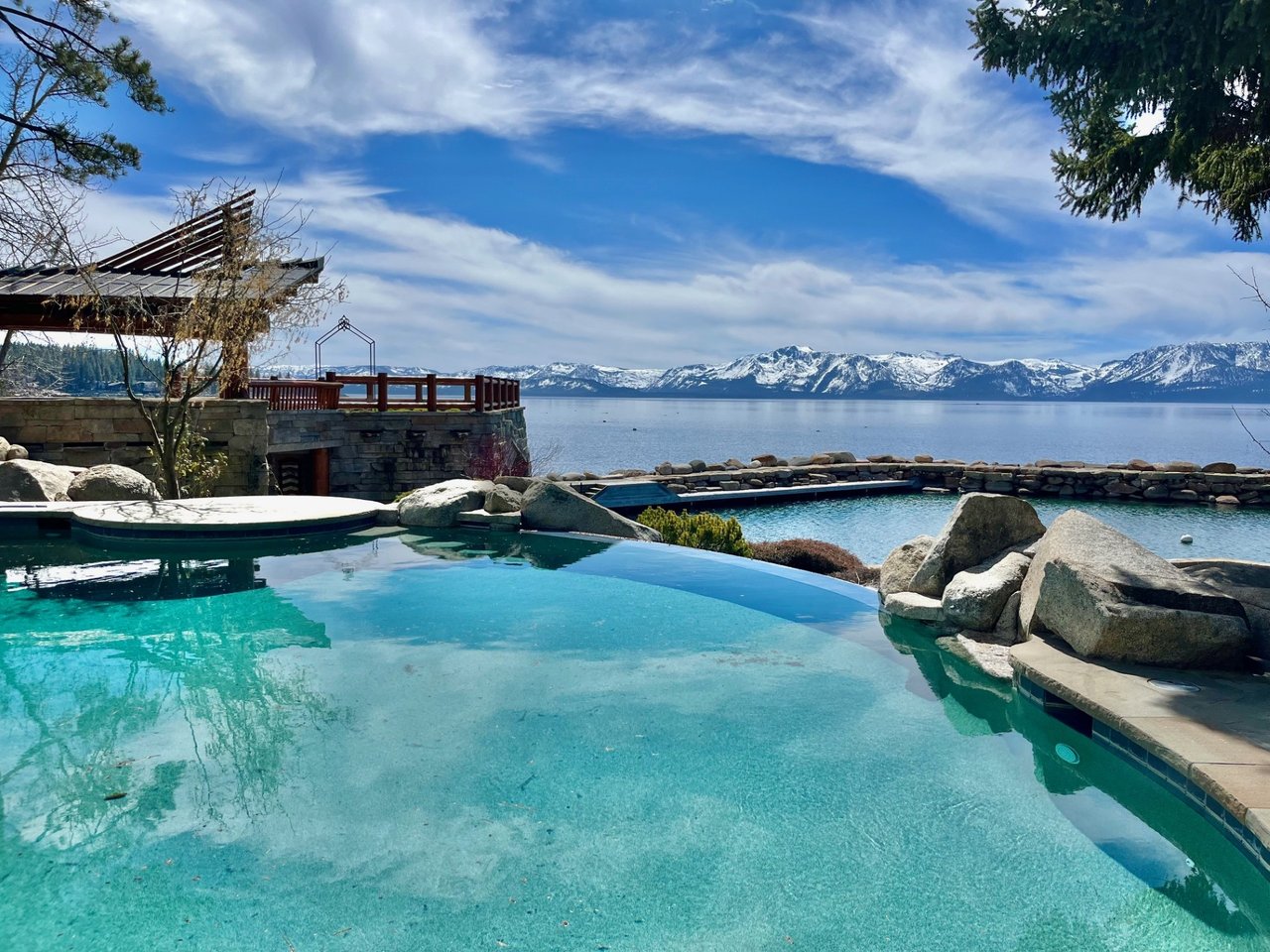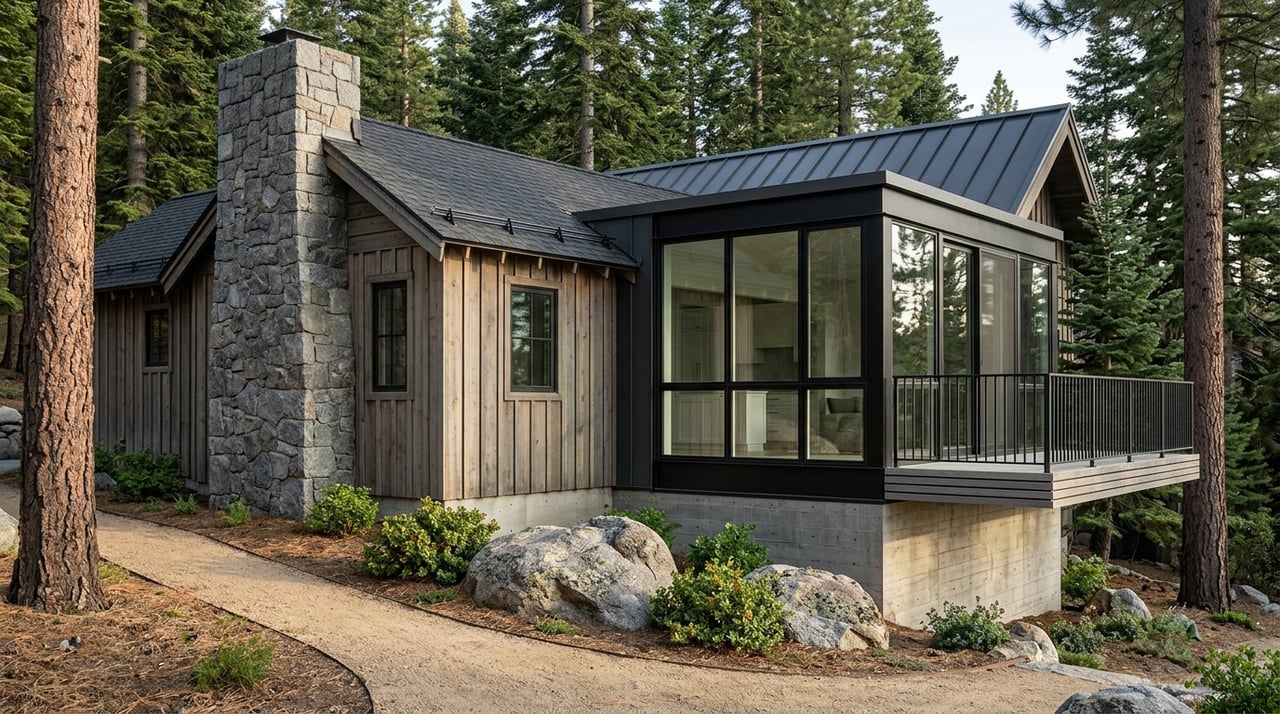
If you have ever driven Crystal Bay’s shoreline and wondered why one lakefront home feels like a timeless Tahoe lodge while another looks like a glass sculpture set into granite, there is a reason. Crystal Bay’s waterfront was shaped over decades of resort history, steep terrain, and some of the most site-sensitive planning rules in the Lake Tahoe Basin. If you are buying, selling, or simply trying to understand what makes these homes distinct, this guide will help you read the architecture with a sharper eye. Let’s dive in.
Crystal Bay Architecture Starts With Place
Crystal Bay is not a blank canvas. Washoe County describes the area as a rocky shoreline with steeply sloping forested hillsides, with flatter land mostly found at lower elevations. The same planning framework notes that development is limited by topography, soils, TRPA regulations, and a lack of undeveloped parcels.
That matters because architecture here is shaped by constraint as much as style. On a typical lakefront parcel, the design has to respond to slope, boulders, scenic standards, and shoreline rules before it ever becomes a statement about taste. In Crystal Bay, the setting is part of the architecture.
There is also a layered historical backdrop. TRPA’s cultural resources study notes that the present residential area grew from the 1926 Nevada Vista Subdivision and developed alongside early tourism and gaming landmarks such as Cal Neva Lodge, Cal Vada Lodge, and the Ta-Neva-Ho, later known as the Crystal Bay Club. That history helps explain why the lakefront does not read as one uniform neighborhood but as a collection of different eras and design approaches.
Resort Rustic Defines Classic Crystal Bay
The most iconic architectural language in Crystal Bay is Resort Rustic, often associated with the classic Tahoe lodge look. TRPA dates this style roughly from 1900 to 1940 and describes it through features like rough stone foundations, large chimneys, steep gable or hip roofs, dormers, broad overhangs, asymmetrical forms, and heavy use of logs, bark siding, and local stone.
This style is not just about appearance. It reflects an older design instinct to blend buildings into the forest and rock landscape rather than make them stand apart from it. That is why many older lakefront homes feel quiet from the road but rich in texture and craftsmanship up close.
TRPA specifically identifies Crystal Bay examples such as the Cal-Neva Lodge and 450 Tuscorara. The National Register documentation for the Withers Log House, built around 1931 on a steep hillside in Crystal Bay, reinforces how deeply this rustic tradition is rooted in the area. Its log construction, wood shingles, and bark-covered elements made it notable as a residential example of log architecture.
What To Look For In Rustic Homes
If you are evaluating an older Crystal Bay lakefront home, these details often signal authentic rustic character:
- Log or heavy timber construction
- Stone chimneys or stone base elements
- Steep rooflines with dormers
- Wood shingles, bark siding, or textured wood finishes
- Massing that follows the land rather than fighting it
Homes with these traits often carry a sense of permanence that feels especially fitting on Crystal Bay’s shoreline. In many cases, the strongest examples are the ones that still retain their original materials and proportions.
Mid-Century Buildings Add A Different Layer
Not every older structure in Crystal Bay was built as a grand lodge or architecturally ambitious vacation home. TRPA’s study shows that the area also expanded through cabins, cottages, rental units, and resort-serving buildings as postwar tourism grew. This created a mid-century layer that is more practical and more modest in character.
A historic resource evaluation of the Crystal Bay Motel describes a two-story frame building with a shed roof, composition roofing, horizontal V-rustic shiplap siding, and aluminum windows. That is a useful reminder that some period buildings were built for function first, not as architectural showpieces.
For today’s buyers and sellers, this distinction matters. Smaller cabins, guest cottages, and remodeled summer homes can still be appealing, especially when they remain responsive to the site and retain their scale. But in Crystal Bay, age by itself is not the source of architectural value.
Why Some Older Homes Stand Out More
A home’s architectural value often comes down to three things:
- Integrity: how much of the original design remains
- Craftsmanship: the quality of materials and construction
- Setting: how naturally the home sits within the lot and shoreline
The research record makes this contrast clear. The Withers Log House was recognized as an outstanding example of rustic vacation-home design, while the Crystal Bay Motel was evaluated as a common and less distinguished resource type after alterations. The lesson is simple: old does not always mean architecturally special.
Contemporary Lakefront Homes Are Highly Engineered
The newest architectural layer in Crystal Bay is contemporary, glass-forward, and deeply site-driven. These homes often use glass, steel, stone, and wood to capture views while managing steep lots, privacy, and access to the shoreline.
Recent published examples illustrate this clearly. The Tahoe Glass House in Crystal Bay was described as an architect-designed glass-and-steel residence with a five-story floating staircase, a cylindrical glass elevator, and floor-to-ceiling windows, built into a steep hillside. Another Crystal Bay lakefront home featured expansive glazing, a limestone base, dark cedar cladding, and a funicular connecting the home to the water.
These homes are modern, but they are not modern in a generic way. In Crystal Bay, contemporary design tends to be shaped by engineering realities. The architecture often cascades down the slope, bridges around granite, and uses lower-profile massing to keep the home visually connected to the land.
Common Features In Modern Crystal Bay Estates
Today’s luxury lakefront homes often include:
- Floor-to-ceiling glass oriented to lake views
- Steel, stone, and wood material palettes
- Terraced or stepped forms on steep lots
- Engineered circulation such as elevators, bridges, or funiculars
- Lower-profile compositions that respond to scenic review standards
What makes these homes impressive is not only their finish level. It is the way design and engineering work together to solve difficult site conditions.
Shoreline Rules Shape The Architecture
In Crystal Bay, the architecture of a lakefront home does not end at the exterior walls. Shoreline regulation is a major part of how these properties are designed, used, and understood.
Washoe County and TRPA both frame the area as highly constrained. TRPA requires projects in shoreline scenic resource areas to blend man-made structures with the natural environment and to meet scenic review standards. Land coverage is also capped by capability district, with allowances and exemptions used to manage impervious surface.
That means every meaningful lakefront improvement exists in a bigger framework. A home’s siting, massing, hardscape, and shoreline access all interact with rules that are meant to protect the basin’s scenic and environmental character.
Why Piers And Moorings Matter So Much
TRPA’s Shoreline Plan authorizes a limited number of new shorezone structures and treats piers and moorings as allocated resources. According to TRPA, the plan allows a maximum of 10 new public piers and 128 new private piers, with only 12 new private piers allocated every two years. The agency also runs an annual mooring lottery for a capped pool of new moorings.
For you as a buyer or seller, that scarcity matters. A lakefront home is not just about square footage or frontage. Lawful shoreline infrastructure and the ability to access the water can be a meaningful part of how a property is perceived.
TRPA’s shoreline program also maintains Lake Tahoe’s 600-foot no-wake zone and buffers around swimmers, paddlers, and shoreline structures. Those rules reinforce a larger point: waterfront living here is shaped by a blend of architecture, regulation, and the physical realities of the lake itself.
What Architectural Character Can Mean For Value
Crystal Bay lakefront homes are often judged on more than size and finish. Based on the planning context in the research, market perception is likely influenced by architectural pedigree, site complexity, and the scarcity of permitted shoreline amenities.
In practical terms, homes that are elegantly integrated into steep terrain may stand apart from properties that feel imposed on the lot. Likewise, a residence with clear design identity, intact historic features, or lawfully established shoreline infrastructure may have a different level of appeal than a property without those attributes.
This is one reason Crystal Bay homes can feel so individual from one parcel to the next. Two homes may share lake frontage, but their architectural story, engineering demands, and relationship to the shoreline can be completely different.
How To Read A Crystal Bay Lakefront Home
If you are touring property in Crystal Bay, it helps to look beyond the view and ask more precise questions about the home itself.
Start with the architectural language. Is the home rooted in Tahoe’s rustic tradition, a modest mid-century form, or a contemporary design strategy built around glass and structure? Then consider how the house meets the land. In Crystal Bay, the best homes often feel as though they belong exactly where they are.
Finally, look at shoreline functionality in context. Access, improvements, and site planning can be just as important as the house. A strong lakefront property here is usually the result of thoughtful design, careful compliance, and a lot that supports both.
If you are considering a purchase or preparing to position a significant waterfront property for sale, local architectural context can sharpen your decisions. For a private conversation about Crystal Bay lakefront real estate, Lexi Cerretti offers principal-led guidance shaped by deep experience in North Lake Tahoe’s most valuable shoreline markets.
FAQs
What architectural style is most iconic in Crystal Bay lakefront homes?
- The most recognizable historic style is Resort Rustic, also known as Tahoe lodge architecture, with stone, logs, steep roofs, and a strong connection to the natural setting.
Why do modern Crystal Bay lakefront homes look so engineered?
- Crystal Bay’s steep slopes, rocky shoreline, scenic standards, and shoreline constraints often require terraces, embedded structures, bridges, elevators, or funicular-style access.
Why do shoreline rights affect Crystal Bay home appeal?
- Piers and moorings are limited and allocated under TRPA’s shoreline program, so lawful water-access infrastructure is not unlimited and can shape how a property is viewed.
Why do some older Crystal Bay homes feel more special than others?
- Architectural integrity, craftsmanship, and site relationship matter more than age alone, so an intact rustic home may stand out more than a heavily altered older building.
What should you notice when touring a Crystal Bay lakefront home?
- Pay attention to the home’s architectural style, how it fits the slope and shoreline, the quality of original or modern design details, and any established shoreline access or infrastructure.