If you have ever driven Tahoe’s East Shore and wondered where the quietest lakefront pockets are, Glenbrook and Uppaway are likely part of the answer. These are not resort-heavy neighborhoods built for constant turnover or foot traffic. They are more private, more controlled, and more layered in character than many buyers first expect. If you are curious about how these enclaves actually feel and what sets them apart, this guide will walk you through the essentials. Let’s dive in.
Why Glenbrook and Uppaway stand out
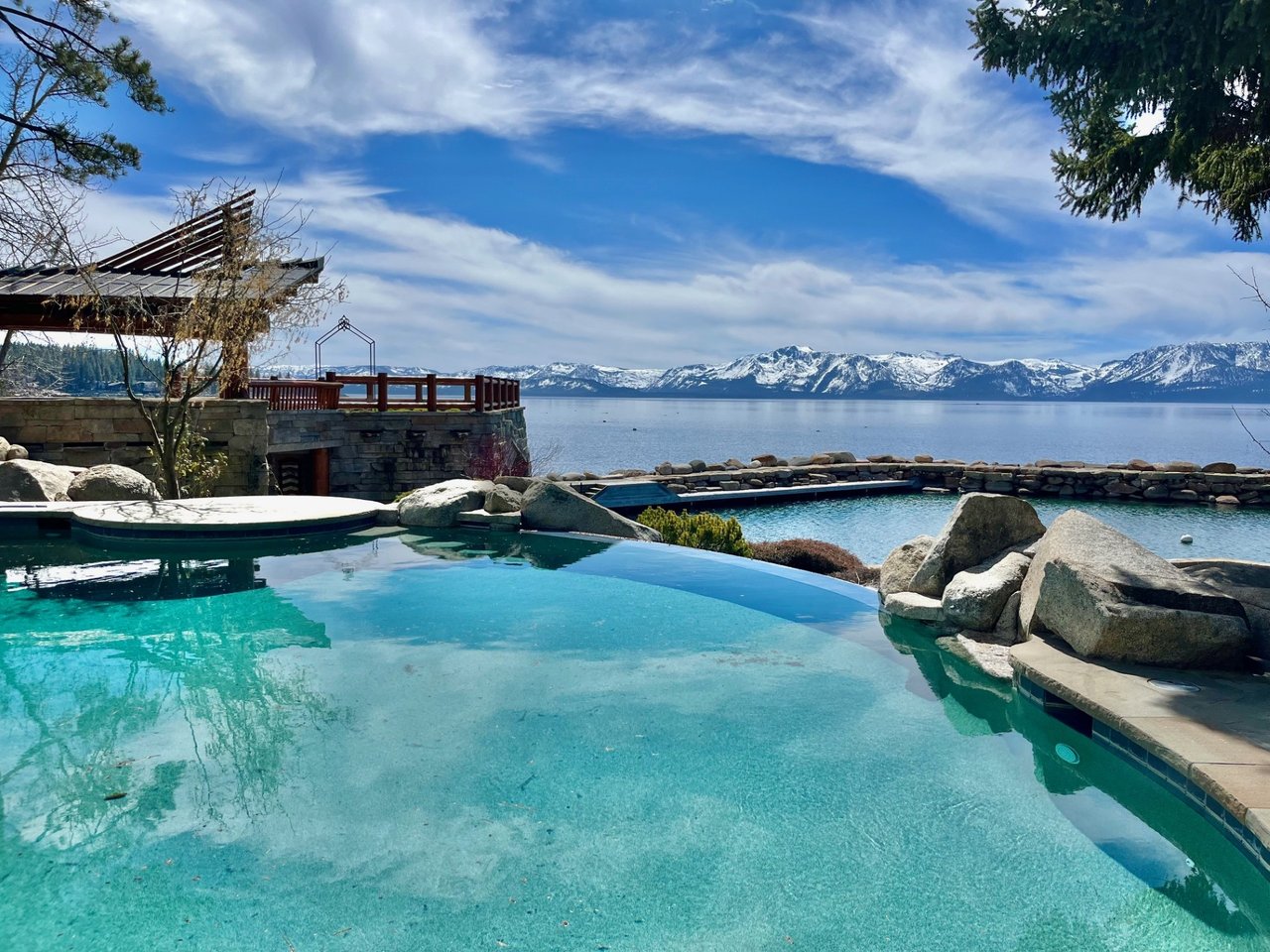
Glenbrook and Uppaway share a rare East Shore combination: privacy, low-density living, and direct access to the lake corridor. Both communities feel intentionally enclosed, with strong association structure and a quieter day-to-day rhythm than more visitor-oriented Tahoe areas.
That sense of separation is not accidental. In Glenbrook, planning guidance from the Tahoe Regional Planning Agency describes the area as residential, with limited new commercial development and restricted public access to beaches and historic structures. In practical terms, that helps explain why the neighborhood feels sheltered from the busier side of Tahoe life.
Glenbrook’s historic identity
Glenbrook did not begin as a luxury enclave. Its roots trace back to the 1860s, when lumber operations helped supply the Comstock era, and the area later evolved into a resort setting, including the opening of the Glenbrook Inn in 1907.
That history still matters today. Rather than feeling manufactured, Glenbrook carries a sense of place that has developed over time, with residential living layered over industrial and resort-era origins. For buyers who value neighborhoods with story and continuity, that can be part of the appeal.
A more managed way of living
One of the clearest differences in Glenbrook is how carefully the community is managed. The Glenbrook HOA describes the neighborhood as about 750 acres, with only around 150 developed and nearly 600 left undisturbed.
That balance shapes the experience on the ground. A formal gate system, along with separate sticker processes for vehicles, watercraft, and golf carts, points to a community where access and circulation are closely overseen. For many owners, that structure supports the privacy and calm they are looking for on the East Shore.
Uppaway’s smaller, quieter scale
If Glenbrook feels private, Uppaway feels even more tucked away. TRPA describes Uppaway Estates as a planned unit development with 39 parcels and about 40.03 acres of common area, which immediately gives you a sense of its intimate scale.
This is a shoreline enclave with a compact footprint and a strong internal identity. TRPA materials also note that access for an irrigation project runs through Uppaway’s main entrance and driveway, reinforcing the fact that it functions as a tightly managed, internally organized community.
Short-term rental rules matter here
For many buyers, one of the biggest practical distinctions is the rental environment. Douglas County’s current vacation home rental information lists both non-affiliated Glenbrook parcels and Uppaway as neighborhoods where no permits are allowed.
That policy has real lifestyle implications. It points to communities oriented more toward long-term ownership and low transient traffic than short-stay visitor use. If you are seeking a setting with less turnover and a more stable ownership base, that is an important part of the picture.
What the homes feel like
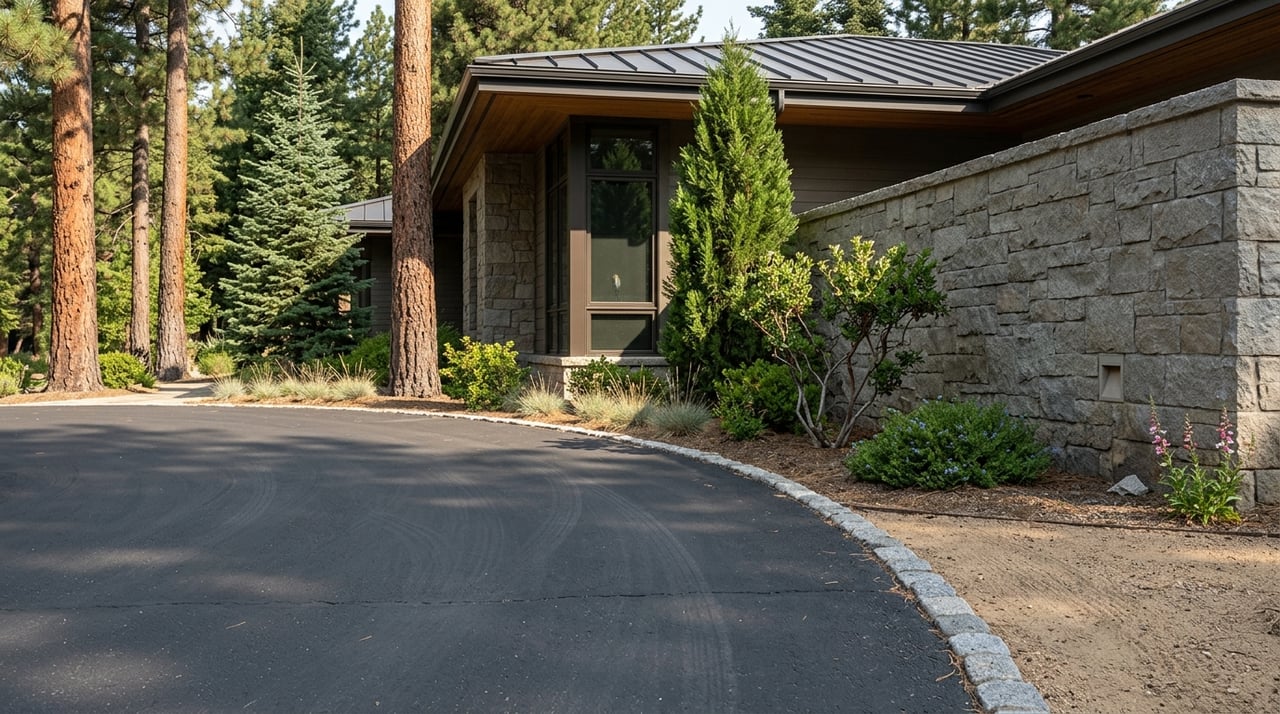
Glenbrook’s housing mix is broader than some buyers assume. TRPA describes the area as including older low-density development, condominium-style units, single-family dwellings, and restored resort structures.
Uppaway is more concentrated and shoreline-focused. Its planned improvements include picnic areas, grass areas, walkways, retaining walls, and pier stairway access, all of which contribute to a carefully curated lakefront feel. In simple terms, Glenbrook offers a wider range of residential settings, while Uppaway reads as smaller and more intimate.
Club life in Glenbrook
A major part of Glenbrook’s identity is the Glenbrook Club. The club presents itself as a private, member-based setting with resident and limited non-resident memberships, along with year-round clubhouse access for members and guests, dining, a bar, and a social calendar.
That matters because Glenbrook’s social life is not centered on a public commercial district. Instead, it is more club-oriented and intentionally scaled. For some buyers, that private, community-based rhythm is a strong draw.
A note on golf access
Golf is part of the Glenbrook story, but it should be understood carefully. The current club website describes a 100-year-old, 2,715-yard 9-hole course and emphasizes member and guest access through memberships, while older TRPA planning language refers to the course as open to the public.
Because those descriptions are not fully aligned, it is best to view the course as a central Glenbrook amenity rather than assume open walk-on access. If golf is a deciding factor in your search, current access policy should be confirmed directly during your due diligence.
East Shore recreation beyond the gates
Even with their private character, Glenbrook and Uppaway are not isolated from the broader East Shore lifestyle. Nevada State Parks describes the Tahoe East Shore Trail as a 3-mile paved route connecting Incline Village to Sand Harbor, with access to public beaches, coves, and trails.
The East Shore corridor also includes public recreation sites such as Nevada Beach, Round Hill Pines, Zephyr Cove Resort, and Zephyr Cove Stables, according to the Forest Service. That means you can move between a quiet residential setting and a wider range of Tahoe recreation without leaving the general shoreline corridor.
Daily life is shaped by the setting
Life in these enclaves is not only about views and privacy. It is also about living responsibly in a mountain-lake environment where infrastructure, wildlife, and wildfire preparedness all play a visible role.
Glenbrook HOA materials highlight required trash service, bear-safe dumpsters, dog-waste stations, defensible space, Reverse 911 procedures, and very fast evacuation expectations. In other words, ownership here comes with a clear expectation that residents stay engaged with safety and maintenance.
Uppaway has its own practical infrastructure story as well. Douglas County lists a dedicated Uppaway water system, and the 2023 consumer confidence report noted no violations. For buyers comparing communities, this reinforces the idea that both neighborhoods are highly managed and tied closely to the demands of the natural environment.
What to expect for services
One thing many relocators notice quickly is that Glenbrook and Uppaway are residential enclaves, not self-contained service centers. Everyday needs are generally met through the broader East Shore and nearby regional hubs rather than within the neighborhoods themselves.
Glenbrook emergency information points residents to local and regional resources including Glenbrook Fire Station, Douglas County Sheriff, Barton Memorial Hospital in South Lake Tahoe, Carson Tahoe Medical Center, Stateline Medical Center, Renown in Reno, and Tahoe Forest Hospital in Incline Village. Douglas County School District also notes its Lake Tahoe coverage runs from Glenbrook to Stateline. The result is a location that feels private and secluded, while still remaining connected to the larger Tahoe system.
Glenbrook vs. Uppaway at a glance
If you are deciding between the two, the difference often comes down to scale and feel rather than a simple better-or-worse choice.
| Community | Overall feel | Scale | Housing character | Ownership rhythm |
|---|---|---|---|---|
| Glenbrook | Historic, private, club-centered | Larger | Mix of older low-density homes, condos, single-family homes, restored resort structures | Long-term, highly managed, low transient traffic |
| Uppaway | Smaller, more secluded, shoreline-focused | Very compact | 39-parcel planned unit development with common area and shoreline improvements | Very quiet, tightly controlled, low transient traffic |
Both neighborhoods offer a more sheltered East Shore experience. Glenbrook feels like a broader historic-private ecosystem, while Uppaway feels like a smaller sub-enclave within that world.
Who these communities fit best
These enclaves tend to appeal to buyers who want discretion, structure, and a quieter lakefront setting. They are especially compelling if you value low-density surroundings, managed access, and a neighborhood rhythm that is less shaped by short-term visitor activity.
They can also be a strong fit if you are looking at East Shore property through a long-term lens. Whether you are seeking a legacy second home, a private retreat, or a Nevada-based residence with easy access to the broader Tahoe corridor, Glenbrook and Uppaway offer a very specific kind of ownership experience.
In a market where many buyers ask for privacy but still want access to boating, trails, and regional amenities, these two enclaves occupy a distinctive position. If you want help understanding how Glenbrook or Uppaway compares with other East Shore opportunities, Lexi Cerretti can guide you through the nuances with the discretion and local knowledge this part of Tahoe deserves.
FAQs
What makes Glenbrook different from other Lake Tahoe neighborhoods?
- Glenbrook stands out for its East Shore location, historic roots, low-density residential setting, managed access, and club-centered lifestyle rather than a resort-style commercial environment.
What is Uppaway in Lake Tahoe?
- Uppaway is a small planned unit development on Tahoe’s East Shore with 39 parcels, common area, and a more intimate, tightly managed shoreline setting.
Are short-term rentals allowed in Glenbrook or Uppaway?
- Douglas County currently lists non-affiliated Glenbrook parcels and Uppaway as areas where vacation home rental permits are not allowed.
Is Glenbrook a gated community?
- Glenbrook HOA materials describe a formal gate system and managed access processes for vehicles, watercraft, and golf carts.
Does Glenbrook have a golf course?
- Yes, Glenbrook includes a historic 9-hole golf course that is central to the community, though current access should be confirmed directly because public and membership-based descriptions differ in available sources.
What is daily life like in Glenbrook and Uppaway?
- Daily life is shaped by privacy, association governance, wildfire readiness, wildlife management, and reliance on nearby East Shore and regional hubs for many services.