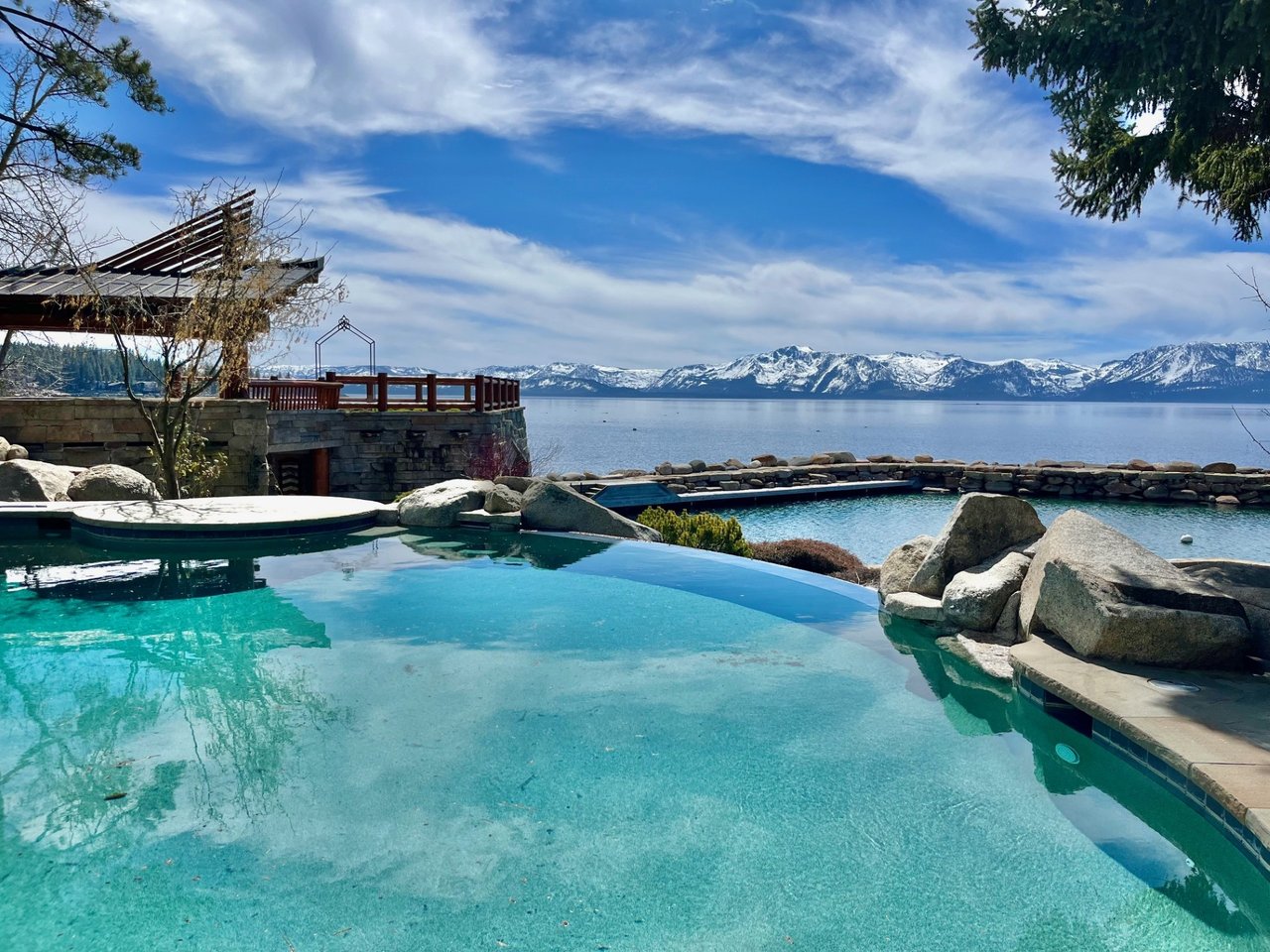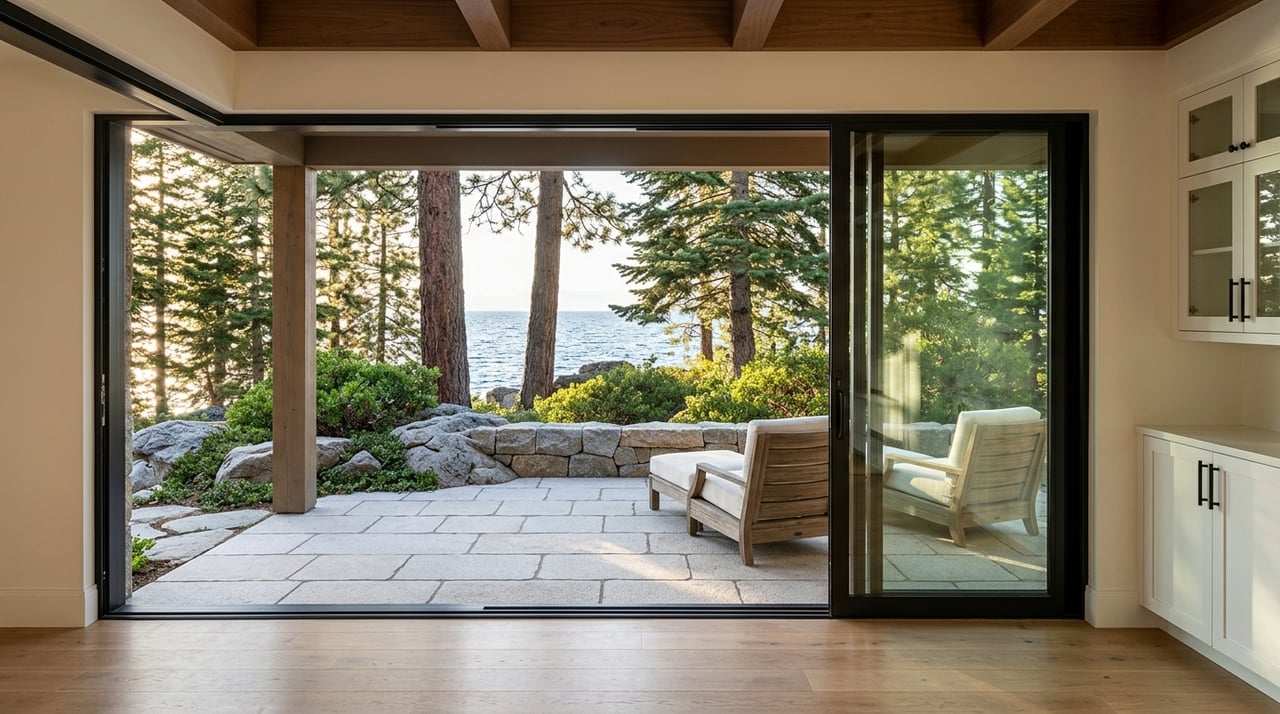
A Lake Tahoe lakefront home can be many things at once: a retreat, a gathering place, and a store of long-term value. In South Lake Tahoe’s 96150 ZIP code, it should also be treated as a complex asset with rules, rights, and responsibilities that extend well beyond the home itself. If you are thinking about a multi-generational purchase, understanding shoreline permissions, permit timing, taxes, wildfire compliance, and family governance can help you make a smarter decision from day one. Let’s dive in.
Why Legacy Planning Matters
In 96150, a lakefront purchase is not just about bedrooms, views, or finishes. The long-term value of the property can also depend on legal shoreline access, boating infrastructure, and the ability to maintain or improve the property over time.
That matters because the shoreline is heavily regulated. The Tahoe Regional Planning Agency, or TRPA, allows some new shoreline structures and moorings, but they remain capped and subject to separate allocation processes. In practical terms, scarcity can make an existing permitted pier, buoy, or mooring history especially important for a family buying with a long hold in mind.
Shoreline Rights Can Shape Value
If you are buying for future generations, it helps to think of the asset in layers. The house is one layer, but the shoreline rights may be just as important.
TRPA’s Shoreline Plan lifted the old moratorium on shorezone structures, but it did not create open-ended development. New private piers are capped at 128, public piers at 10, and up to 1,486 new private moorings may be authorized through regulated processes. Existing moorings also must be registered and renewed annually.
For many buyers, this changes the screening process. A property with existing permitted access to the water may function very differently over time than one where future improvements are only a possibility.
Understand Littoral Status Early
If your long-term plan includes adding a pier later, start with the parcel itself. TRPA states that a parcel generally must be littoral, meaning it adjoins or abuts Lake Tahoe’s high-water elevation, to be eligible for a new pier application.
Even then, approval is not automatic. Single-parcel projects move through a lottery-based process, which means future shoreline improvements can be uncertain and time-sensitive. For a legacy buyer, that uncertainty should be evaluated before you close, not after.
What to Verify Before You Make an Offer
A careful review upfront can save time, money, and frustration later. In this market, due diligence should go beyond the usual checklist.
Confirm Records and Boundaries
El Dorado County notes that assessor maps and property characteristics are prepared for assessment purposes only. Official details about parcel size or use should come from recorded documents and local governing agencies.
That is a strong reminder not to rely on listing language alone. You will want to confirm survey lines, shoreline encroachments, easements, and any recorded access or use rights through the official record.
Review Shoreline Permissions
A lakefront property may have a long history of permits, renewals, modifications, or unresolved issues. Those records can affect what you can do with the property in the future and how easily you can maintain existing features.
If a home includes a pier, buoy, or other shorezone feature, verify that the improvements were properly permitted and remain in good standing. For a family planning to hold the property for years, permit history is part of the asset.
Match Renovation Goals to the Approval Process
If you expect to remodel, expand, or improve the site, timing matters. TRPA notes that many Tahoe projects require both a TRPA environmental review permit and a separate county or city building permit, with final local building approval often following TRPA approval.
TRPA also uses different review tiers depending on the scope of the work. Some activities may be exempt, while others may require public notice or hearing. This makes early planning essential if your purchase decision depends on a future renovation.
Plan Around Construction Season
At Lake Tahoe, even the calendar affects your options. TRPA states that grading and digging season runs from May 1 through October 15 because soil disturbance is limited during wetter months to protect water quality.
If your family hopes to renovate quickly after closing, that seasonal window should be part of your timeline. Missing it can shift work well into the following year.
Think Beyond the Dock
Lakefront ownership is not only about what you can build. It is also about how the property works in day-to-day use.
TRPA’s shoreline rules include a 600-foot no-wake zone, a 100-foot buffer around swimmers and paddlers, and a 200-foot buffer around shoreline structures. The agency also monitors issues such as noise, scenic impacts, invasive species, and illegal moorings.
For a family retreat, these rules shape boating convenience, guest experience, and ongoing operations. A property may look effortless on paper, but the real question is how smoothly it supports the way your family intends to use it.
Taxes Deserve Early Attention
A legacy purchase should include a clear conversation about ownership costs. In California, property taxes can change significantly after a purchase.
The California Board of Equalization explains that a change in ownership or completed new construction can trigger a reappraisal. In most residential purchases, the entire property is reassessed at current market value, and supplemental tax bills may apply to reflect the new assessment.
For a high-value lakefront purchase, that means the timing of the acquisition and the scale of future improvements both deserve careful review. Ownership cost is not static once escrow closes.
Proposition 19 and Family Planning
If your long-range plan includes future family transfers or replacement-home planning, Proposition 19 may also be relevant. The Board of Equalization states that certain eligible homeowners, including people age 55 and older, disabled homeowners, and victims of qualifying disasters, may transfer a base-year value to a replacement principal residence in California if they meet the rules and file with the county assessor after the transactions are complete.
The same guidance notes that the replacement home can be purchased before the original home is sold, provided the original home is sold within two years. Because these rules are technical, buyers should coordinate closely with tax and estate counsel before finalizing title.
Wildfire and Insurance Need a Front-Seat Role
In El Dorado County, wildfire compliance is not something to treat as a post-closing project. It can affect the transaction itself.
The county’s March 2025 summary states that state law requires 100 feet of defensible space around structures in defined areas. It also says that in transactions subject to Civil Code 1102.19, sellers must obtain a defensible-space inspection report, complete the required work, or have the buyer agree to achieve compliance within 180 days after close of escrow.
For buyers, that means wildfire readiness should be reviewed alongside title, permits, and inspections. It is part of understanding the asset you are taking on.
Insurance Should Be Reviewed Early
Insurance strategy also deserves attention at the beginning of the process. CAL FIRE classifies hazard zones as moderate, high, or very high and notes that hazard is not the same as risk, while the California Department of Insurance explains that insurers use wildfire risk models for underwriting and pricing rather than relying only on CAL FIRE hazard maps.
The takeaway is simple: do not leave insurance to the last week of escrow. If the property is intended to remain in the family for years, insurance availability, terms, and cost should be part of the acquisition strategy from the start.
Build a Family Operating Plan
A legacy home works best when the family defines how it will actually operate. This often matters just as much as the purchase price.
Before closing, it is wise to discuss questions like these:
- Who approves major capital projects?
- How will maintenance reserves be funded?
- Who manages guest use and household logistics?
- What level of privacy is expected?
- What events would trigger a sale, recapitalization, or ownership change?
A well-run ownership structure can reduce friction and help preserve both the property and the family’s long-term goals.
Coordinate the Right Advisors
Complex lakefront purchases often move best when decisions are properly sequenced. The process may involve title review, shoreline due diligence, permit analysis, wildfire compliance, insurance review, and tax planning, all before the final closing steps.
This is where a principal-led advisor can add real value. The role is not only to negotiate price, but also to help coordinate the right specialists and keep the process aligned with your long-term intent for the property.
Include Emergency Planning
Legacy ownership should also include practical preparedness. Tahoe Living With Fire reports that the Lake Tahoe Regional Evacuation Plan was developed by fire, law enforcement, and emergency management partners as a living document after past major wildfires.
For a multi-generational property, evacuation routes, communication protocols, and caretaker responsibilities should be documented and easy to access. Those details belong in the same planning file as your title report, insurance information, and permit records.
A legacy lakefront purchase in South Lake Tahoe can be deeply rewarding, but it works best when you evaluate the full asset, not just the home. Shoreline rights, future improvement potential, tax consequences, wildfire compliance, insurance, and family governance all shape whether the property will serve your goals for decades to come. If you want a thoughtful, discreet approach to evaluating complex Tahoe waterfront opportunities, Lexi Cerretti offers private, high-touch guidance tailored to legacy-minded buyers.
FAQs
What makes a South Lake Tahoe lakefront home a legacy asset?
- In 96150, the long-term value of a lakefront property may depend on more than the residence itself. Shoreline permissions, boating access, permit history, and the ability to improve the property over time can all affect how the asset functions for future generations.
Can a buyer add a pier or mooring later in South Lake Tahoe?
- Possibly, but it is highly regulated. TRPA states that new pier opportunities are limited, generally require a littoral parcel, and move through capped allocation processes, including a lottery system for certain projects.
Do lakefront renovations in 96150 need both TRPA and local permits?
- Often yes. TRPA says many projects require a TRPA environmental review permit as well as a separate city or county building permit, and final local building approval often follows TRPA approval.
When can construction happen on a Lake Tahoe lakefront property?
- TRPA states that grading and digging season runs from May 1 through October 15. If your renovation depends on soil disturbance, that seasonal window can affect your schedule.
How do property taxes change after a California lakefront purchase?
- The California Board of Equalization explains that a change in ownership usually triggers reassessment to current market value, and supplemental tax bills may apply. New construction can also trigger reassessment.
How does wildfire compliance affect a lakefront closing in El Dorado County?
- El Dorado County states that sellers in certain transactions must obtain a defensible-space inspection report, complete the required work, or have the buyer agree to complete compliance within 180 days after close of escrow.
Why should insurance be reviewed early for a Tahoe lakefront purchase?
- The California Department of Insurance says insurers use wildfire risk models for underwriting and pricing. Because insurance terms and availability can materially affect ownership costs, it is wise to review options early in the buying process.
What should a family decide before buying a legacy Lake Tahoe property?
- It helps to define who will approve projects, manage use, fund reserves, oversee caretaking, and decide when a sale or recapitalization should occur. Clear operating expectations can support smoother long-term ownership.