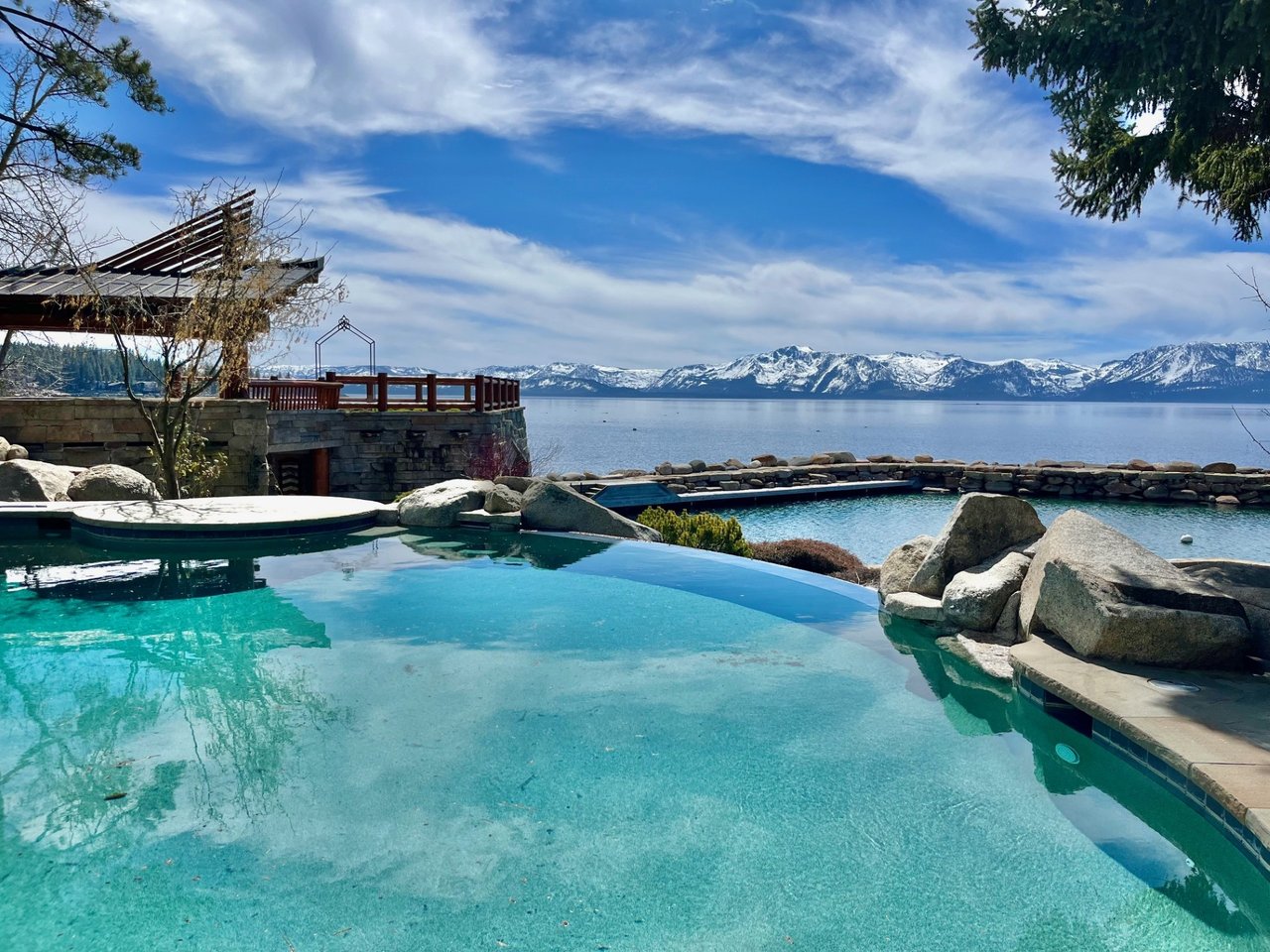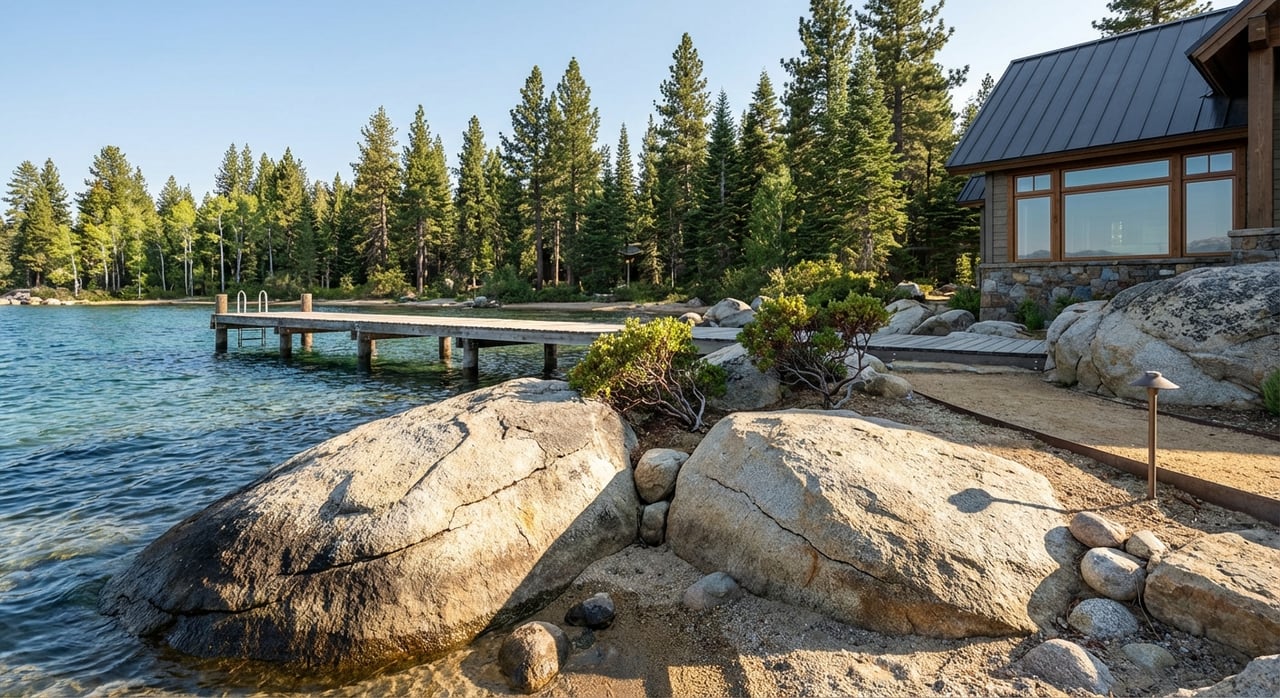
If you are torn between two incredible North Shore lakefronts, you are not alone. Crystal Bay and Incline Village sit side by side on Lake Tahoe, yet they deliver different experiences, amenities, and long‑term considerations. In this guide, you will learn how shoreline features, IVGID access, TRPA rules, rental policies, and resale dynamics compare so you can buy with clarity. Let’s dive in.
Quick take: how they differ
- Crystal Bay is a compact, ultra‑luxury lakefront micro‑market with scarce, large‑frontage parcels and private shore amenities on select lots. Inventory is thin, and trades are infrequent, which can support premium pricing per linear foot of shoreline.
- Incline Village is larger and amenity‑rich, with resident beaches, recreation infrastructure, and a broader mix of lakefront product that supports steady demand and a wider buyer pool.
- Across both, the TRPA Shoreline Plan caps new private piers and manages mooring allocations. Existing pier and buoy rights can be a significant value driver.
- Washoe County STR rules apply in both areas. Confirm permits if rental income is part of your plan.
Shoreline and setting
Crystal Bay’s shoreline character
Crystal Bay is a small census‑designated place in unincorporated Washoe County that directly borders Incline Village on Tahoe’s North Shore. It is known for intimate coves, rocky or bedrock edges, and steep lots that often extend to the high‑water line. Select parcels feature long, single‑parcel frontage and private shore features, which helps explain the market’s exclusivity and low turnover. For basic geography and jurisdiction context, see the overview of Crystal Bay in Washoe County.
Incline Village’s lakefront mix
Incline Village’s lakeshore includes sandy resident beaches and areas where the shoreline flattens into small beach pockets. Some communities include private or HOA‑managed docks, while single‑parcel estates mirror Crystal Bay’s form where the slope is steeper. The key difference is scale. Incline has a larger inventory and a community amenity package that many buyers value. Get a feel for the amenity set by reviewing the resident beach program and locations.
Access, amenities, and lifestyle
IVGID access matters
The Incline Village General Improvement District, or IVGID, provides water, sewer, and solid‑waste services for eligible parcels, and it manages several resident beaches along with other recreational amenities. IVGID access and recreation passes are tied to parcel eligibility, which can vary by property history and annexation. If beach access is essential to your lifestyle or your guests’ experience, confirm a property’s pass status in writing. Learn more about the District on the IVGID overview page.
Privacy and exclusivity
Crystal Bay’s small footprint and cluster of large lakefront parcels often result in a more secluded feel on a parcel‑by‑parcel basis. That said, privacy is specific to each lot based on topography, vegetation, and shoreline orientation. Incline’s larger scale means more neighbors and more community activity, which many buyers prefer for convenience and services. Your choice comes down to whether you want a true micro‑market feel or a resort‑style community with robust amenities.
Piers, buoys, and TRPA rules
What the Shoreline Plan means for you
The Tahoe Regional Planning Agency regulates shorezone activity around the lake. TRPA’s Shoreline Plan places caps on new private piers and uses a competitive allocation process for moorings. In practice, this means new private piers are limited and subject to TRPA review, while mooring allocations follow an annual process until caps are reached. If dock or buoy access is a must, study TRPA’s guidance and verify a property’s file. Start with TRPA’s page on pier allocations and the Shoreline Plan.
Why existing entitlements are valuable
Because new entitlements are capped and prioritized, existing private piers and buoy allocations are often a meaningful price driver. Title language alone does not guarantee the ability to add a pier or mooring. Before you write an offer, confirm whether the APN already has TRPA‑recognized pier or buoy rights, whether they transfer with title, and whether any easements affect shoreline use.
Rental, taxes, and ownership logistics
Short‑term rentals in Washoe County
Both Incline Village and Crystal Bay are in unincorporated Washoe County, which runs an STR permitting program. To operate legally, you must follow county rules, obtain the required permit, and comply with inspections, fees, and renewal steps. If rental income is part of your ownership plan, review the county’s current process and verify any existing permit history for the property. You can find the official steps and forms on the Washoe County STR program page.
Nevada tax environment
Nevada does not levy a personal state income tax, which many second‑home and relocation buyers cite as an advantage. Local property taxes, IVGID assessments for eligible parcels, and transient lodging taxes for rentals still apply and should be reviewed as part of your carrying‑cost analysis. For the constitutional reference on taxation, consult the Nevada Constitution.
Infrastructure and services
Reliable utilities and services are part of the ownership experience. IVGID administers water, sewer, and solid‑waste service for eligible parcels. Road access and snow removal, as well as any septic or private utility considerations for specific properties, should be verified through the Washoe County assessor’s records and IVGID Public Works. The IVGID overview is a good starting point for understanding service areas and responsibilities.
Pricing and liquidity patterns
North Shore lakefront inventory is small and heterogeneous. A handful of transactions can dominate annual volume, which means headline medians can swing with the mix of what sells in a given quarter. Crystal Bay’s shoreline scarcity, parcel geometry, and long single‑parcel frontages often support premium pricing per linear foot of shoreline. Incline Village offers a broader range of lakefront product, from select lakefront condos and HOA‑managed shore access to single‑parcel estates, which tends to support a wider buyer pool and steadier resale liquidity.
For valuation, the most reliable approach is APN‑level MLS comps for true lakefronts over a multi‑year window. Consider both the quality of shoreline access and any existing TRPA entitlements, then layer in community amenities like IVGID beach access when applicable. If you plan to remodel or add recreational features, account for TRPA constraints in your budget and timeline.
Neighborhood dynamics that can influence value
Local redevelopment can shape near‑term demand. In Crystal Bay, the long‑planned repositioning of the historic Cal Neva site has attracted attention and may increase year‑round visitation and investment interest near its commercial center. Keep in mind that construction phases can create short‑term impacts even as the area benefits longer term. You can follow reported plans and milestones in coverage such as the Cal Neva redevelopment update.
Which lakefront fits your goals
Choose Crystal Bay if you prioritize:
- Long single‑parcel shoreline frontages and a low‑count, exclusive micro‑market.
- A more intimate setting defined by rocky coves and dramatic topography.
- The potential value of existing private piers or buoy rights on select parcels.
Choose Incline Village if you want:
- Resident beaches and a community amenity package through IVGID for eligible parcels.
- A broader selection of lakefront product that can expand your search and buyer exit options.
- Community services and recreation that support steady demand year after year.
Due diligence checklist for either market
Use this shortlist to protect your purchase and future resale:
- Verify IVGID eligibility and recreation pass status for the specific parcel. Start with the IVGID overview and confirm in writing.
- Review the IVGID resident beaches to understand amenity access and location.
- Pull county records for lot lines, easements, tax assessments, and any IVGID‑related fees via the Washoe County Assessor.
- Confirm TRPA shorezone history for the APN, including any existing pier or mooring allocations, using TRPA’s guidance on pier allocations.
- If rentals are part of the plan, review the Washoe County STR rules and verify current permit status.
- Discuss insurance and risk, including wildfire and flood exposure, with your insurer. Align any mitigation work with local fire district guidance.
Final thought
Both Crystal Bay and Incline Village offer world‑class lakefront living. Your best choice comes from aligning shoreline features, entitlement status, amenity access, and resale goals with how you plan to use the property. If you want a seasoned, principal‑led advisor to help you evaluate specific parcels, verify permits, and negotiate with confidence, schedule a private consultation with Lexi Cerretti.
FAQs
What is Crystal Bay and how is it different from Incline Village?
- Crystal Bay is a small census‑designated place in unincorporated Washoe County that borders Incline Village, with a compact set of ultra‑luxury lakefront parcels and intimate coves, while Incline Village is larger with resident beaches and broader amenities; see Crystal Bay’s overview and IVGID beaches for context.
Can I build a new private pier on my lakefront?
- New private piers are capped under the TRPA Shoreline Plan and allocated through TRPA processes, so you should verify your parcel’s file and review TRPA’s pier allocation guidance before assuming you can build.
Do all Incline Village and Crystal Bay homes get IVGID beach access?
- No, IVGID recreation passes are tied to parcel eligibility that can vary by property history and annexation, so you must confirm status in writing with IVGID; start with the IVGID overview.
Can I operate a vacation rental in Incline Village or Crystal Bay?
- Properties in these areas fall under Washoe County’s STR program and must meet permit, inspection, and fee requirements; check the latest process and forms on the Washoe County STR page.
Does Nevada have a state income tax that affects homeowners?
- Nevada does not impose a personal state income tax, which many buyers consider alongside local property taxes and assessments; see the Nevada Constitution for reference.