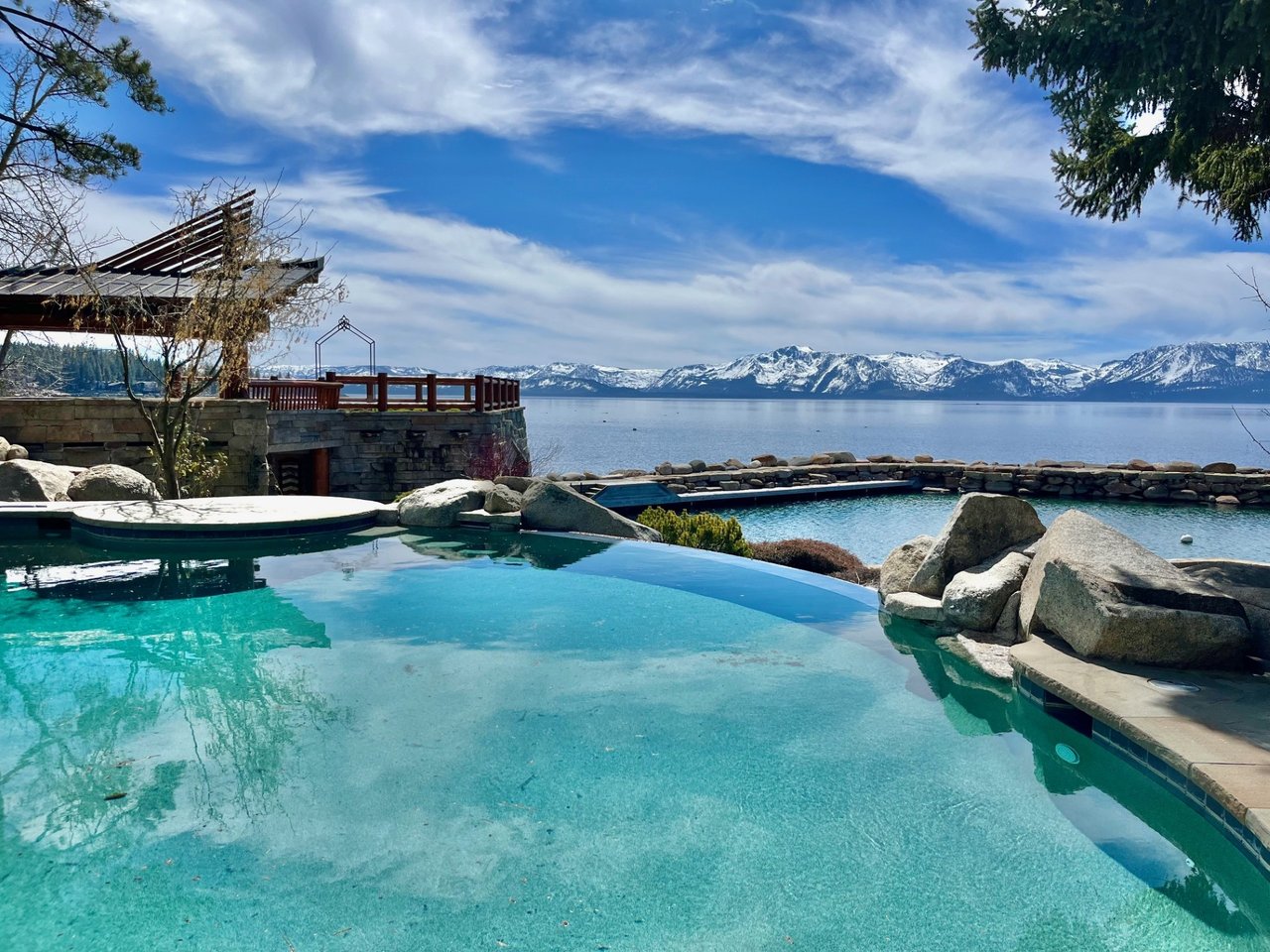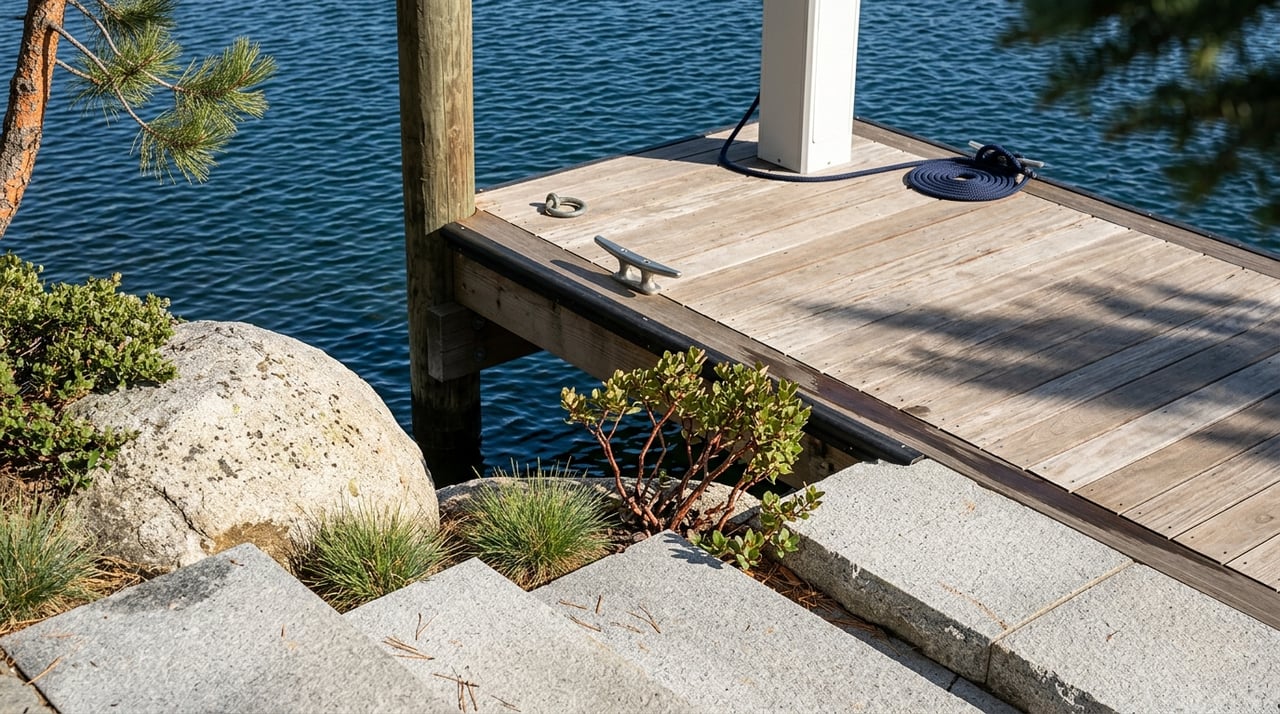
If you are looking at a Lake Tahoe lakefront home in South Lake Tahoe, it is easy to focus on the view, the dock, or the idea of boating right from your backyard. But lakefront ownership in the Tahoe Basin is rarely as simple as buying a home and using every waterfront feature however you want. In many cases, your use of the property is shaped by HOA rules, local regulations, and basin-wide shoreline standards. This guide will help you understand how those layers work together in the 96150 area so you can evaluate amenities, restrictions, and long-term ownership costs with more confidence. Let’s dive in.
Why lakefront rules are layered
In South Lake Tahoe, lakefront and waterfront ownership typically involves three levels of oversight. You may need to comply with the homeowners association, the local city or county, and the Tahoe Regional Planning Agency, or TRPA.
According to the TRPA Shoreline Plan, shoreline structures and uses are governed basin-wide through rules that cover piers, moorings, boat lifts, no-wake zones, and marina-related activity. At the local level, El Dorado County states that projects in the Lake Tahoe Basin must also comply with the Tahoe Regional Plan and County Code. In South Lake Tahoe, short-term rental activity is handled through the city’s vacation home rental program.
The key takeaway is simple: a lakefront property may come with access and privileges, but those benefits usually sit inside a larger compliance framework. That matters when you are comparing homes, budgeting for ownership, or planning future improvements.
How HOA models can differ
Not every Tahoe waterfront association works the same way. In South Lake Tahoe, public records show that some communities combine residential ownership with shared amenities, while others manage a narrower set of boating or harbor rights.
That difference can affect everything from your monthly assessments to your actual use of a slip, dock, or guest pass system. Before you buy, it helps to understand whether the HOA is a full-service residential association, a boating-focused association, or both.
Tahoe Keys Property Owners Association
The Tahoe Keys Property Owners Association is one of the most visible waterfront communities in South Lake Tahoe. Its public materials state that it includes 1,528 member units, made up of about 1,193 single-family homes and 335 townhomes, and that it manages roughly 11 miles of lagoons.
For many buyers, the appeal is the boating-oriented amenity package. The association’s homepage highlights two private beaches, an outdoor pool, an indoor pool, seven tennis courts, four pickleball courts, a pavilion, a pavilion pier, boat docks, and channels that provide boating access.
Those amenities also come with operational rules. TKPOA states that pools and tennis courts require a homeowner access card, and that guests and renters may obtain guest passes, temporary parking passes, and guest boat registration stickers through the Pavilion front desk.
Tahoe Keys design and use restrictions
Amenities do not remove the need for review and compliance. TKPOA’s public architectural-control materials explain that homeowner submittals are reviewed for proposed construction and modifications, and that the committee considers both the association’s governing documents and local government regulations.
Publicly posted documents also state that Tahoe Keys property is limited to single-family residential use and that commercial or timeshare use is prohibited. The same materials note that outdoor structures such as piers or mooring and docking facilities may require ACC approval through the association’s design review process.
For you as a buyer, this means you should not assume that a waterfront lot allows unlimited exterior changes. Even if a home already has water access, future plans for a remodel, deck, dock-related improvement, or other exterior feature may require review.
Tahoe Keys Beach and Harbor Association
The Tahoe Keys Beach and Harbor Association is a separate organization from the residential HOA. Its public information says it was founded in 1963 to own, control, and maintain boat mooring easements, and that membership is limited to owners of qualifying properties.
This is an important distinction because boating rights and residential ownership are not always bundled the same way. In some cases, access to slips or harbor privileges may depend on separate membership eligibility rather than simply owning a nearby home.
The harbor association says it operates 10 docks and 266 boat slips, with adjacent parking, restrooms, limited electrical power at each slip, and a season that typically runs from April 1 through October 31, weather permitting. It also notes that members may launch a personal boat at the Tahoe Keys Marina without charge.
Harbor rules matter too
Boating access usually comes with a detailed rule structure. TKBHA’s governing documents and rules state that the documents define what is and is not permitted, and the association noted that rules were undergoing changes as of summer 2024.
Its public fueling guidance also says boats may not be fueled at the association’s docks and that fueling is only allowed at a marina under the relevant TRPA code provision. That is a good example of how HOA-level operations often work hand in hand with basin-wide shoreline regulation.
What TRPA controls on the shoreline
For most lakefront buyers, TRPA is the most important agency to understand. The agency’s Shoreline Plan sets the framework for many of the features buyers care about most, including piers, moorings, buoys, lifts, and other shoreline structures.
TRPA states that its 2018 plan lifted the prior moratorium on new shorezone structures, capped new shoreline structures, and created separate lottery systems for new piers and moorings. It also says existing moorings must be registered and renewed annually.
That means a dock, buoy, or mooring is not just a casual amenity. It may be a regulated asset with eligibility requirements, annual obligations, or even a lottery-based path to future approval.
Moorings, piers, and eligibility
TRPA says the Shoreline Plan allows up to 1,486 new private moorings at Lake Tahoe and uses an annual mooring lottery to allocate new buoys, boat lifts, and other moorings. It also states that the pier lottery is held every two years on odd years.
Eligibility matters here. According to TRPA, the annual mooring lottery is only for shoreline properties that adjoin the lake, and single-family parcels are limited to two moorings total.
If you are evaluating a home based on boating access, ask whether the property includes a deeded right, an assigned right, a licensed use, or only the possibility of future application. Those are very different ownership scenarios, and they can affect value and lifestyle in meaningful ways.
On-water boating rules
TRPA also regulates how you use the water itself. In its shoreline boating guidance, TRPA states that motorized boats must stay under 5 mph within 600 feet of shore, within 100 feet of paddlers and swimmers, within 200 feet of shoreline structures, and in Emerald Bay.
The same TRPA shoreline programs guidance says all motorized watercraft must be inspected for aquatic invasive species, or have a Tahoe inspection seal checked, before launch. If boating is central to your purchase decision, these operational rules are part of day-to-day ownership.
Commercial use limits
Some buyers also ask whether a private dock or mooring can support rental income or other business activity. TRPA states that permits are required for shoreline business activities such as boat rentals, personal watercraft rentals, tours, and paddleboard or kayak rentals and tours.
TRPA also says that unpermitted person-to-person boat rentals from private docks, piers, moorings, or public beaches are subject to enforcement, and that commercial activity from residential moorings is not allowed. In practical terms, you should be careful not to assume that private waterfront access can be used for commercial boating purposes.
Rental rules can affect value
For buyers looking at flexibility or future income potential, rental rules deserve close review. In South Lake Tahoe, the city states that a permit is required to operate a short-term rental for fewer than 30 consecutive calendar days.
The city’s vacation home rental page says permits must be renewed annually, require an on-site inspection, and allow only one vacation home rental on a parcel. The city also states that occupancy is limited by paved parking spaces and bedroom count, and that vacation home rentals may not be used for commercial activities such as weddings or receptions.
Quiet hours also apply from 10:00 p.m. to 8:00 a.m. The city notes on its website that amendments passed on March 24, 2026 take effect on April 23, 2026, while Ordinance 2025-1200 remains the listed current VHR ordinance on the site as of April 19, 2026. That timing is a reminder that short-term rental rules can change quickly.
Design review is a major due diligence item
If you plan to update a lakefront home, expand outdoor living space, or modify shoreline features, design review should be part of your due diligence from day one. HOA review may be required before you even reach the city, county, or TRPA approval stage.
TKPOA’s public materials state that structures must comply with setback rules and that piers and mooring or docking facilities may be built outside setback lines only with ACC approval. That is a meaningful restriction if your purchase strategy depends on future improvements.
El Dorado County also offers a parcel-data and building-design criteria tool that allows users to look up a parcel by APN and review building-design criteria before a project is submitted. It is a useful starting point, but county review is only one part of the broader Tahoe Basin approval picture.
A practical lakefront buyer checklist
When you evaluate a South Lake Tahoe lakefront or waterfront property, it helps to think beyond the listing photos. A strong review process can save time, reduce surprises, and clarify whether the home truly fits your goals.
Here are a few questions worth answering early:
- Confirm whether the property includes actual dock, buoy, or slip rights, or whether those rights are separate, licensed, or membership-based, such as through the Tahoe Keys Beach and Harbor Association.
- Verify whether the property is eligible for a city short-term rental permit and whether the HOA adds more rental restrictions through the South Lake Tahoe vacation home rental program.
- Check whether exterior changes, landscaping, shoreline structures, or remodel plans require HOA architectural review, such as the TKPOA ACC process.
- Budget for recurring assessments, access systems, and seasonal availability of shared amenities, including the features described by TKPOA.
- Review whether the property’s shoreline expectations align with TRPA rules for moorings, piers, registration, and use under the TRPA shoreline framework.
What this means for your purchase
The biggest mistake buyers make with Lake Tahoe waterfront property is treating every dock, slip, buoy, or lagoon access point as if it works the same way. In reality, ownership often comes as a bundle of rights, restrictions, and approval processes that need to be understood together.
When you evaluate a lakefront home in the 96150 area, the real question is not just what the property has today. It is also what you can legally use, what you can change, what you must maintain, and what rules may shape the property over time.
That kind of analysis is especially important in complex waterfront transactions. If you are evaluating a Tahoe lakefront purchase and want a clear, discreet review of how property rights, amenities, and regulatory layers may affect value, you can schedule a private consultation with Lexi Cerretti.
FAQs
What rules apply to a Lake Tahoe lakefront home in South Lake Tahoe?
- A lakefront home in South Lake Tahoe may be subject to HOA rules, local city or county regulations, and basin-wide TRPA shoreline rules at the same time.
What does TRPA regulate for Lake Tahoe waterfront properties?
- TRPA regulates shoreline structures and uses such as piers, buoys, moorings, boat lifts, no-wake zones, and certain commercial shoreline activities.
What amenities does Tahoe Keys Property Owners Association offer?
- TKPOA states that it offers amenities including two private beaches, indoor and outdoor pools, tennis courts, pickleball courts, a pavilion, a pavilion pier, boat docks, and boating channels.
Is Tahoe Keys Beach and Harbor Association the same as the Tahoe Keys HOA?
- No. TKBHA is a separate harbor and dock association focused on boat mooring easements and harbor operations, while TKPOA is the residential property owners association.
Do South Lake Tahoe short-term rentals require a permit?
- Yes. The City of South Lake Tahoe states that short-term rentals of fewer than 30 consecutive days require a permit, annual renewal, and an on-site inspection.
Can you assume a lakefront property includes dock or buoy rights?
- No. Buyers should verify whether dock, buoy, slip, or mooring rights are deeded, assigned, licensed, membership-based, or subject to TRPA eligibility and lottery processes.