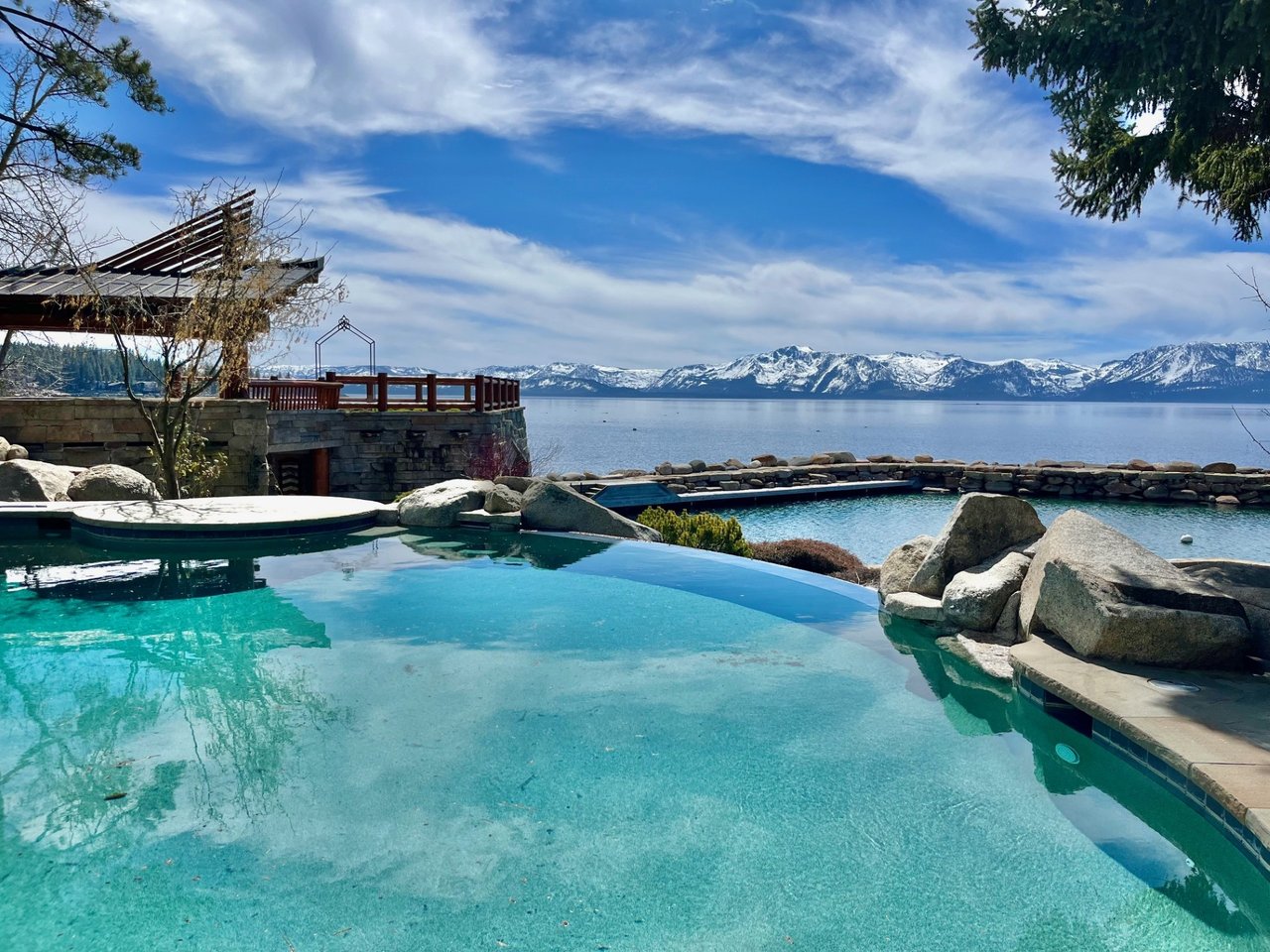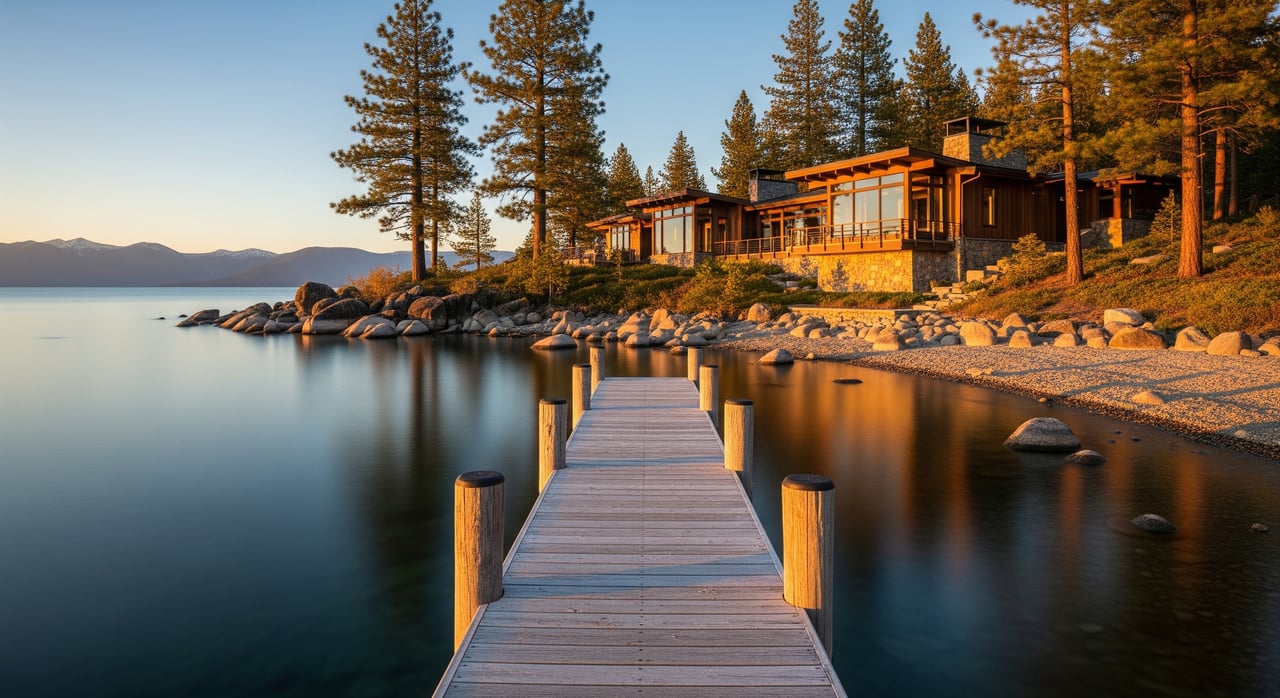
What makes two lakefront estates on the same shoreline sell at very different prices? If you are weighing a sale or purchase in Incline Village, it pays to know exactly which features move the needle. You want clarity on what the market rewards, what to verify during due diligence, and how experts translate all of that into a defensible price. This guide breaks down the drivers you can see, the rules you cannot, and the smart steps that protect your value. Let’s dive in.
The shoreline sets the price
The water’s edge is the first, and often largest, value driver.
- Linear feet of frontage. More frontage increases exclusivity, usable shoreline area, and view corridors. Usable frontage that is flat and accessible is usually worth more than steep or constrained frontage. Portions within protected zones or tight setbacks reduce how much of that frontage you can actually use.
- Private pier, dock, and buoy rights. A permitted private pier, dock, or assigned buoy changes day-to-day utility and resale appeal. Permit status, condition, and the ability to replace the structure under current rules drive the premium. Properties without private, permitted access typically trade at a discount to those with it.
- Beach character and access. Deeded sandy beach or a gentle slope is more valuable than a rocky or narrow edge. Year-round private access outranks seasonal or easement-only access.
- Views and orientation. Unobstructed, panoramic views command premiums compared with narrowed or partially blocked corridors. Sunlight exposure and orientation shape the feel of morning and evening light, and buyers often show strong preferences.
Lot and site features that matter
Beyond the shoreline, the lot’s buildability and privacy define livability and cost.
- Lot size and building envelope. Larger parcels with usable terraces or upper plateaus support better home and guest layouts. Usable topography can lower build costs and create more functional outdoor space.
- Privacy and buffers. Mature vegetation, generous setbacks, and natural buffers increase perceived exclusivity. Dense nearby development or compromised sightlines can pull value down.
- Access, driveway, and parking. Year-round access, manageable grades, and sufficient covered and guest parking improve utility and marketability.
Home design and condition
Architecture and condition influence both enjoyment and risk.
- Architectural quality and finishes. Custom design aligned with Tahoe preferences and high-caliber finishes add value beyond square footage.
- Recent, comprehensive updates. Upgraded kitchens, baths, mechanicals, roofs, and compliant systems reduce buyer risk and can support higher pricing. Deferred maintenance or code issues usually require price adjustments.
- Functional lake living. Floor plans that maximize views and indoor-outdoor flow, plus practical storage for boats and gear, are favored and often rewarded in pricing.
IVGID access and local amenities
Incline Village General Improvement District (IVGID) access is a meaningful part of the ownership package.
- IVGID amenities and assessments. Eligible properties may access IVGID beaches, recreation centers, golf, tennis, and seasonal programming. Buyers value this convenience, and comps are commonly adjusted for properties inside versus outside IVGID. Always factor IVGID assessments into ownership costs.
- Neighborhood brand and services. Proximity to Incline Village town services and respected community assets can influence buyer preferences. Private clubs, where relevant, may enhance appeal.
Rules that shape value
Multiple agencies regulate Lake Tahoe’s shorezone. Those rules, along with hazard exposure and insurance availability, shape what is possible and what it costs.
- TRPA and multi-agency oversight. The Tahoe Regional Planning Agency, alongside Nevada and Washoe County authorities, restricts shoreline development to protect water quality and scenic resources. This affects adding or replacing piers, expanding footprints, and other shoreline work.
- SEZ, setbacks, and erosion control. Stream Environment Zones and protective setbacks can limit new development. Requirements for stabilization, revegetation, and stormwater mitigation raise redevelopment costs and affect site plans.
- Scarcity of new moorings and piers. Limited permitting for new shoreline structures makes existing permitted assets more valuable.
- Insurance and hazards. Flood exposure, wildfire risk, and the availability and cost of homeowners and umbrella policies influence carrying costs and buyer willingness to pay.
How pros price Incline lakefronts
Appraisers and seasoned brokers use a mix of comps, measurable adjustments, and entitlement due diligence.
- Comparable sales adjustments. Recent lakefront comps are adjusted for frontage, pier or boathouse presence, view quality, lot size, layout, and condition. True lakefront comps are scarce, so adjustments can be sizable and must be well supported.
- Price per linear foot, with caveats. Price-per-front-foot is a common shorthand, but it only works when you normalize for usability, view, and entitlements. It should never stand alone without a full comp analysis.
- Permitted vs. non-permitted premiums. A compliant, permitted pier or boathouse typically commands a clear premium. If a structure cannot be rebuilt under current rules, its contributory value declines.
- View and orientation adjustments. Professionals analyze line-of-sight, topography, and potential future obstructions to quantify view-related differences.
- Income and replacement cost methods. The income approach is secondary for owner-occupied luxury homes, unless rental income is a factor. Replacement cost can help when unique architecture and limited comps make valuation tricky.
- Entitlement and permit diligence. Uncertain or missing shoreline permits increase risk. Valuation should deduct the cost and risk of obtaining, maintaining, or replacing entitlements.
Buyer due diligence checklist
Verify the details that determine both utility and long-term value.
- Title and easements. Confirm deeded shoreline rights, beach access, and any shared or recorded easements affecting the shore.
- Pier, buoy, and shoreline permits. Collect permits for piers, buoys, seawalls, riprap, and stabilization. Verify if they are permitted, grandfathered, or non-compliant.
- IVGID status and costs. Confirm whether the parcel is within IVGID, what amenities are available, and current assessments or potential special assessments.
- Environmental and hazard mapping. Review TRPA shorezone and SEZ designations, FEMA flood maps, and local geotechnical reports for slope and erosion risk.
- Replacement and maintenance costs. Obtain estimates for pier or seawall work, shoreline restoration, and major house systems.
- Insurance availability and premiums. Confirm homeowners, umbrella, wildfire, and flood coverage options for the specific address.
- Deferred maintenance scope. Assess needed repairs or upgrades and include appropriate inspection clauses.
- Neighboring development. Research current permits and likely future building that could affect views, privacy, or access.
Seller prep and pricing strategy
Position your lakefront to capture its full market potential.
- Document entitlements and maintenance. Assemble permits, plans, maintenance records, and warranties for shoreline structures and major systems.
- Segment your comps. Compare recent sales by key shoreline features, including frontage, pier status, view quality, and IVGID inclusion.
- Pre-listing inspections and estimates. Obtain contractor estimates for foreseeable repairs to reduce buyer uncertainty and renegotiation.
- Showcase functional design. Highlight view corridors, indoor-outdoor flow, guest capacity, and storage that supports lake living.
A clear valuation framework
You can bring structure to a complex decision.
- Start with the shoreline. Quantify frontage, pier or buoy entitlements, beach character, and views. Identify any SEZ or setback limits.
- Evaluate the lot. Confirm usable building envelope, privacy, and year-round access. Note any extra costs tied to topography or stabilization.
- Assess the residence. Score architectural quality, condition, and layout fit for lake living. Estimate near-term capital needs.
- Confirm community assets. Verify IVGID access and assessments. Consider proximity to services that matter to your lifestyle.
- Map the rules and risk. Review TRPA and local permits, hazard exposure, and insurance availability for the address.
- Build the comp set. Segment recent sales by pier status, frontage, view, lot characteristics, and condition. Apply careful adjustments.
- Reconcile and stress-test. Cross-check with price-per-front-foot ranges and replacement cost where appropriate. Make conservative deductions for any permit or construction uncertainty.
If you want a confidential, evidence-based view of your home’s market position, or a disciplined plan to secure the right property, a focused advisory process makes a measurable difference. Schedule a private conversation with Lexi Cerretti to align shoreline realities, regulatory constraints, and buyer priorities into a clear strategy.
FAQs
How much does a private pier add to price in Incline Village?
- It adds material value, but the premium depends on permit status, condition, and whether it can be rebuilt under current rules, so use local lakefront comps to quantify.
Is there a fixed dollar-per-foot for Incline Village frontage?
- No single number applies; value per foot varies with usability, orientation, view quality, and the ability to use and maintain that frontage.
How does IVGID membership affect lakefront pricing and costs?
- Access to IVGID beaches and recreation raises attractiveness, but you should adjust comps for inclusion and factor IVGID assessments into total carrying costs.
Can I rebuild a damaged or removed pier on the North Shore?
- Rebuild feasibility depends on current TRPA and state rules, parcel-specific designations, and prior permit status, so verify with agency records before pricing.
What permits and restrictions should Incline buyers review before closing?
- Review TRPA shorezone and SEZ constraints, Washoe County building codes, IVGID requirements, and state shoreline rules, and confirm all permit histories.
Do luxury renovations always pay back on Incline lakefronts?
- Renovations that enhance views, outdoor living, durable lakeside materials, and systems tend to be accretive, while updates that ignore shoreline utility may underperform.